CMH Transition Public Hearings
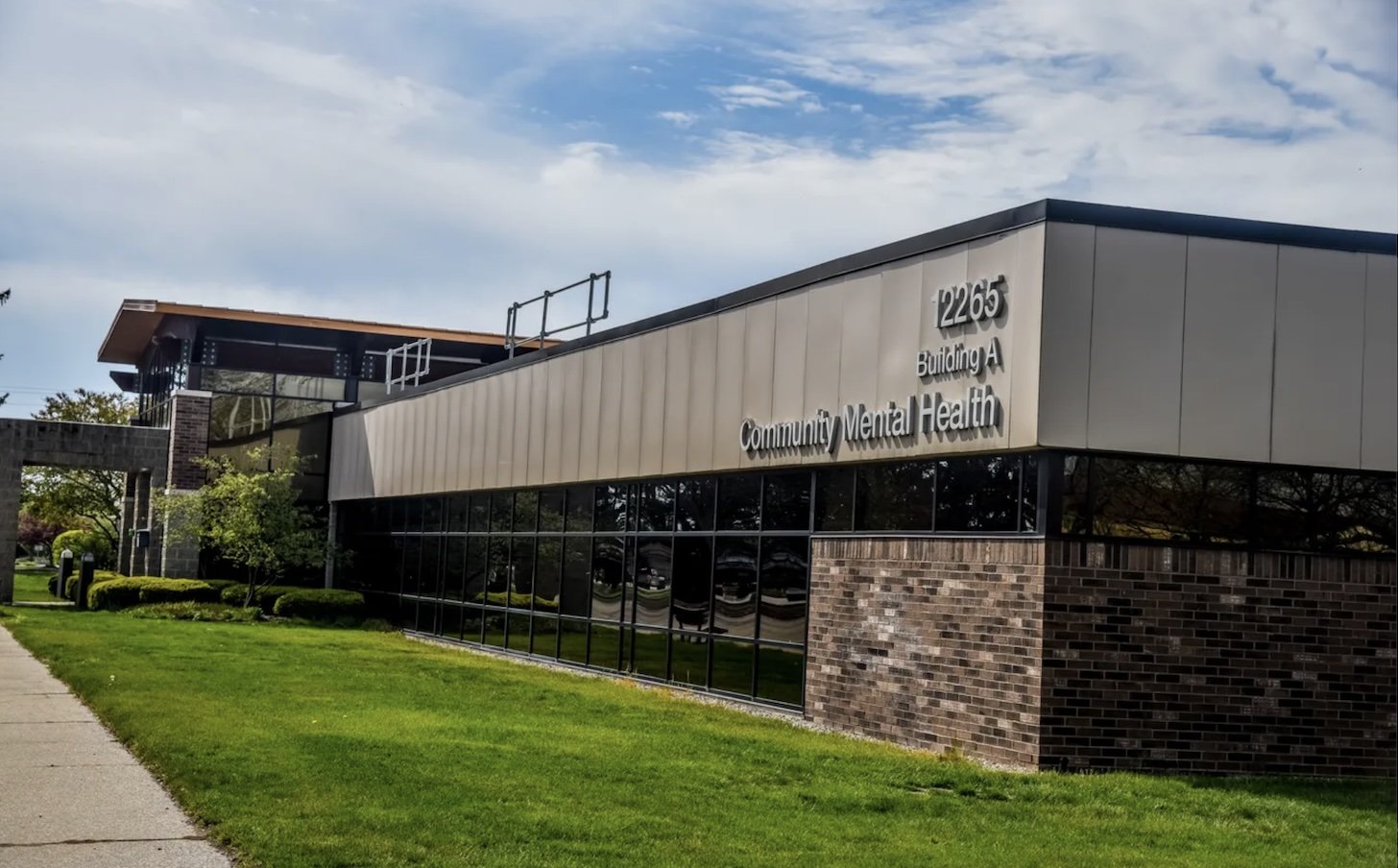
This Thursday, the Board of Commissioners will be asked to approve a resolution to begin planning public hearings on transitioning Community Mental Health (CMH) from a county department to an independent authority. Just three weeks ago, on November 21, the Board saw for the first time a slide presentation outlining this potential move. At that meeting, the Board adopted a motion directing the County Administrator to return with documents for review before any further steps were taken.
The resolution now before us would commit the Board to scheduling public hearings in early to mid-January. Yet the actual transition materials—the draft plan, agreements, legal analysis, and cost considerations—are not scheduled for initial review until January 6, and even then are described as being “for discussion purposes only.” In other words, we would be approving public hearings before the Board has reviewed the very documents those hearings are supposed to be about.
That sequence is backwards. A responsible and logical process is straightforward: first, the Board reviews a draft transition strategy, a legal risk analysis, and an independent cost-benefit assessment. Second, the Board determines whether conversion is a prudent option worth pursuing. Third, if—and only if—we decide to proceed, we invite public input on specific, tangible proposals. This resolution skips directly to step three.
The justification offered for moving this quickly is that scheduling hearings now provides more notice and that the Board can always cancel them later. But scheduling hearings now implicitly treats conversion as the assumed path forward, despite the fact that no legal risk analysis has been shared, no independent cost-benefit review has been presented, and no evidence has been offered that conversion would improve outcomes.
If the Board simply waits a few weeks, we lose nothing of substance. Hearings could still be scheduled for late January or early February with ample public notice. There is no urgency here that justifies acting now. Waiting reduces risk; acting now increases it.
This is also not a new or unexamined question. This Board previously reviewed CMH conversion, most comprehensively in 2016, and found no clear advantage to transitioning to an authority while identifying real downsides, including higher costs and potential service disruption. That history matters. It shows this is neither an emergency nor a novel discovery, and it reinforces why the burden of proof should be higher—not lower—before accelerating the process.
I strongly support public input. Public hearings are essential. What I do not support is advancing this process before the Board has the information it already requested and before it has determined whether conversion is even a prudent path worth considering. Public engagement works best when the Board has first done its homework. Approving hearings before draft agreements, legal analysis, or an independent assessment exist does not enhance transparency—it obscures it. Otherwise, the Board risks failing its most basic fiduciary and governance responsibilities to protect vulnerable residents, support dedicated employees, and safeguard taxpayer dollars.