Expanding the Housing Commission
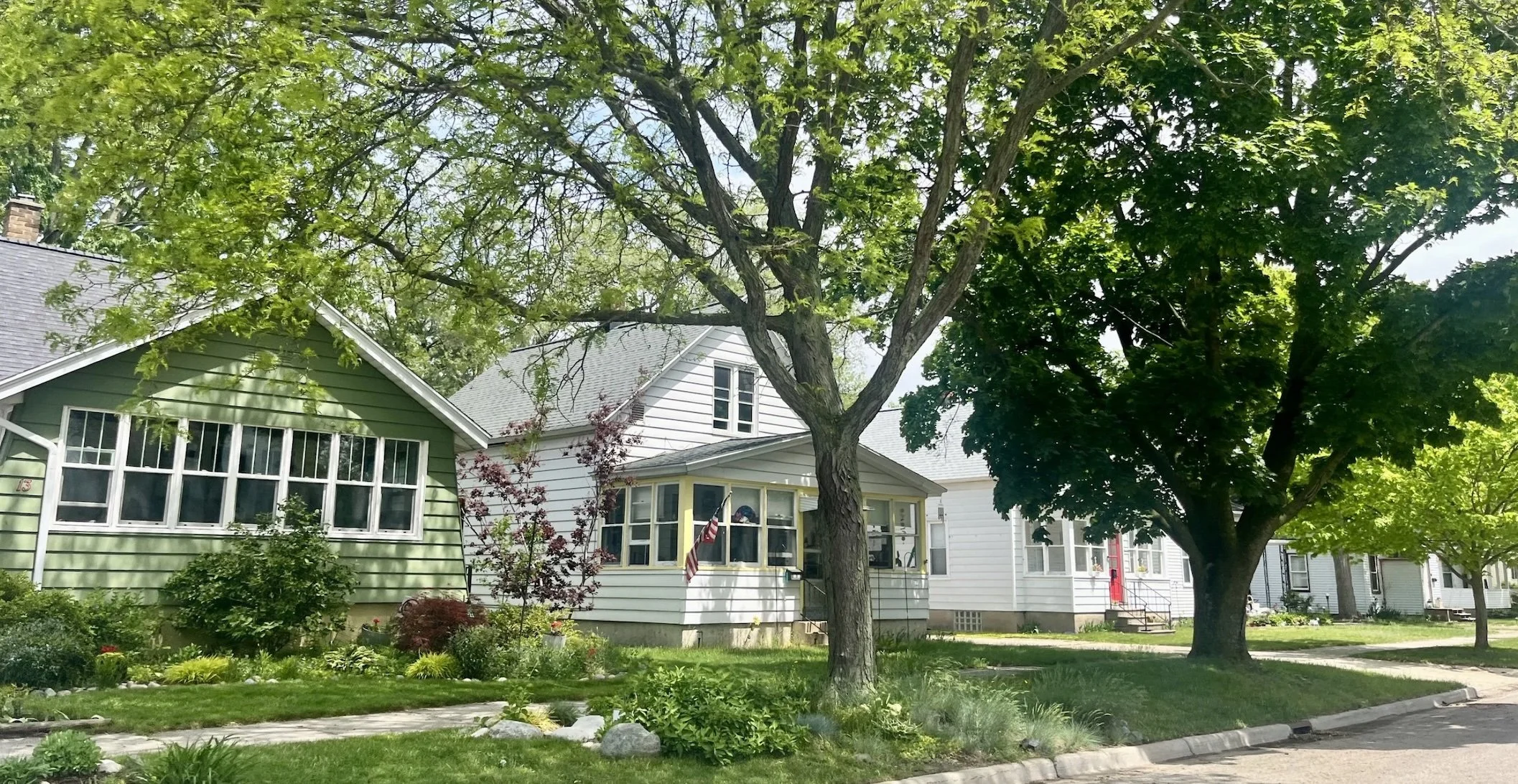
This upcoming Tuesday, we have a discussion and hopefully a subsequent vote on reformulating the Ottawa County Housing Commission to help make it an even more robust tool to help the Board better able to look at the current Housing situation in Ottawa County and develop solutions to help increase Housing opportunity accroos the board.
The reforms include:
• Expansion of the Housing Commission from five (5) members to up to nineteen (19) members.
• Adjustment of term lengths from five-year terms to three-year terms, with staggered rotation.
• Enhanced representation across geography, demographics, and key housing sectors.
These reforms are designed to strengthen representation, accountability, expertise, and responsiveness in housing policy and implementation.
—
Rationale for Reform
1. Broader Representation and Inclusivity
A 19-member board allows for greater geographic, demographic, and stakeholder diversity. Ottawa County includes urban centers such as Holland, rapidly growing suburban townships, and rural communities—each facing distinct housing challenges.Current Limitation: A five-member board risks insufficient representation, potentially sidelining a significant portion of Ottawa County’s population seeking housing opportunities.
Reform Benefit: Nineteen seats enable proportional representation, such as one to two members per major township, plus at-large seats for tenants, nonprofits, and industry experts. This ensures decisions reflect the county’s full population of approximately 300,000 residents.
2. Enhanced Expertise and Specialized Input
Housing policy now intersects with zoning, finance, mental health, workforce development, and environmental sustainability. Current Constraint: Five members cannot reasonably possess deep expertise across all domains.
Reform Advantage: A larger board can include dedicated experts—affordable housing developers, public health officials, financial analysts, and legal advisors—without overburdening individuals. Subcommittees (e.g., Finance, Tenant Relations, Development) can operate efficiently, mirroring models such as the Michigan State Housing Development Authority.
3. Increased Accountability Through Shorter Terms
Three-year terms balance continuity with responsiveness. Risk of Five-Year Terms: Longer terms can entrench incumbents, reduce urgency, and disconnect commissioners from evolving community needs.
Benefit of Three-Year Terms: More frequent appointments tie board composition to current priorities and performance. Staggered terms prevent wholesale turnover while introducing new perspectives.
4. Improved Decision-Making and Risk Mitigation
Larger boards reduce the impact of absences or conflicts of interest.
Current Vulnerability: One absence leaves only four active members—a 20% reduction in capacity.
Reform Resilience: A 19-member board maintains quorum and momentum even with several absences. Broader participation also brings a greater variety of proposals and work products.
5. Operational Efficiency and Community Engagement
Contrary to concerns about size, a 19-member board can function efficiently with modern governance tools.
Governance Tools: Robert’s Rules of Order, digital voting, and specialized subcommittees ensure structured and efficient meetings.
Public Trust: Broader participation and regular turnover enhance transparency, community trust, and volunteer engagement.
Conclusion
Expanding the Ottawa County Housing Commission to nineteen (19) members with three- year staggered terms will make the Commission more representative, expert-driven, accountable, and resilient. This structure better positions Ottawa County to address its projected housing shortage and to deliver sustainable, equitable housing solutions for all